Unlock Product Placement Success: How Fixtures Boost Sales

What if I told you the secret to boosting sales isn’t just about what you sell, but where and how you place it? In retail, product placement is one of the unsung heroes of every successful store, just like the fixtures that support it. Fixtures might not be the first thing you think of when you hear “product placement,” but trust me, they really matter. Now, let’s dive into how the right fixtures can take your strategy from good to great.
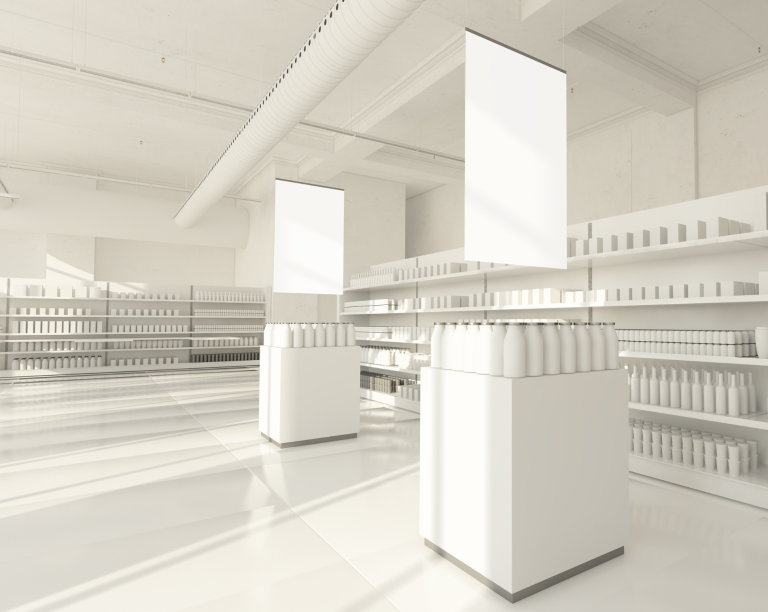
Store fixture designed for better product placement

What Exactly Are Fixtures?

Fixtures are the physical structures that display your products in-store. Think of the gondola shelving systems, display tables, and endcaps that you have used in-store. They’re the backbone of your product placement strategy, shaping how customers interact with your brand.

But here’s the kicker: fixtures aren’t just functional—they’re strategic. A well-designed fixture can draw attention, highlight key products, and even influence purchasing decisions. It’s like having a silent salesperson on the floor, guiding customers to your products without saying a word.

How Fixtures Improve Product Placement

1. Eye-Level Placement:
The Sweet Spot for Sales

Child browsing toys at eye level in a retail store
Let’s talk about the sweet spot of every shelf—the eye-level zone. This is where products grab attention and sell the fastest. Why? Because it’s the easiest spot for customers to see and grab. So, it’s no surprise that high-margin items, bestsellers, and new arrivals are often placed here.

But here’s the secret: it’s the fixtures that make this strategy work, ensuring every product gets its moment in the spotlight. For example, a tiered snack rack makes it easy for customers to see and reach for items. It’s product placement at its finest, using fixtures to guide customers’ eyes and wallets to the products you want them to notice.

2. Cross-Merchandising: Encouraging Complementary Purchases

Coordinated racks display clothes with matching accessories
Ever grabbed salsa after picking up chips? That’s product placement at work. Cross-merchandising is all about pairing related items to make shopping easier and more tempting. By placing complementary products together, you not only boost convenience but also encourage customers to add more to their carts. Here’s where fixtures come in:
 
  • Grocery Stores: Shelf dividers place pasta beside pasta sauce, prompting customers to buy both.
  • Electronics Retailers: Accessory stands position phone cases and screen protectors near smartphones, encouraging add-on purchases.
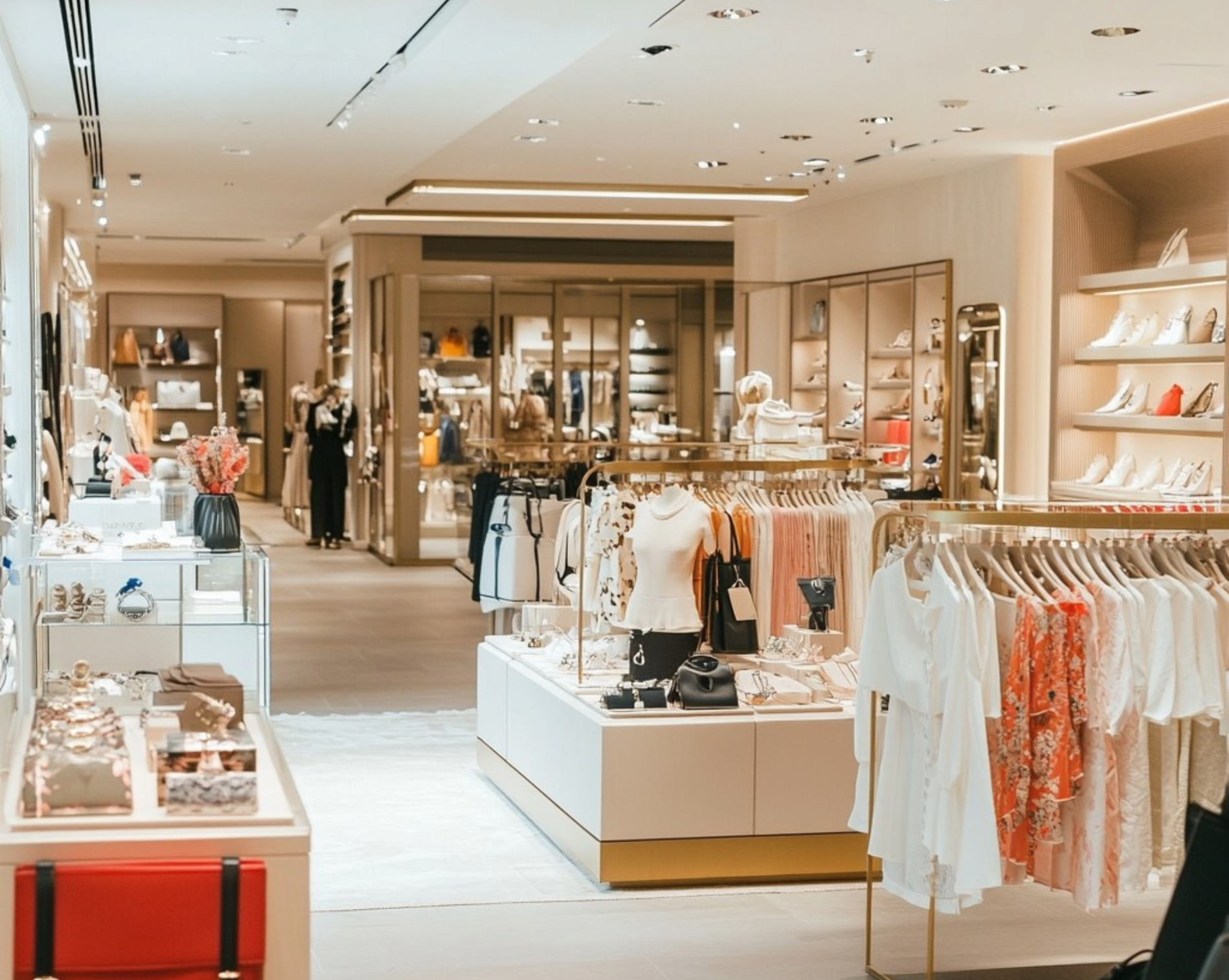
  • Fashion Stores: Coordinated racks display clothes with matching accessories, inspiring customers to complete the look.
This strategy taps into psychological triggers, reminding shoppers of items they didn’t even realize they needed. And with the right fixtures, it’s a subtle yet powerful way to enhance their experience while boosting sales.

3. Endcaps & Feature Displays: High-Impact Zones

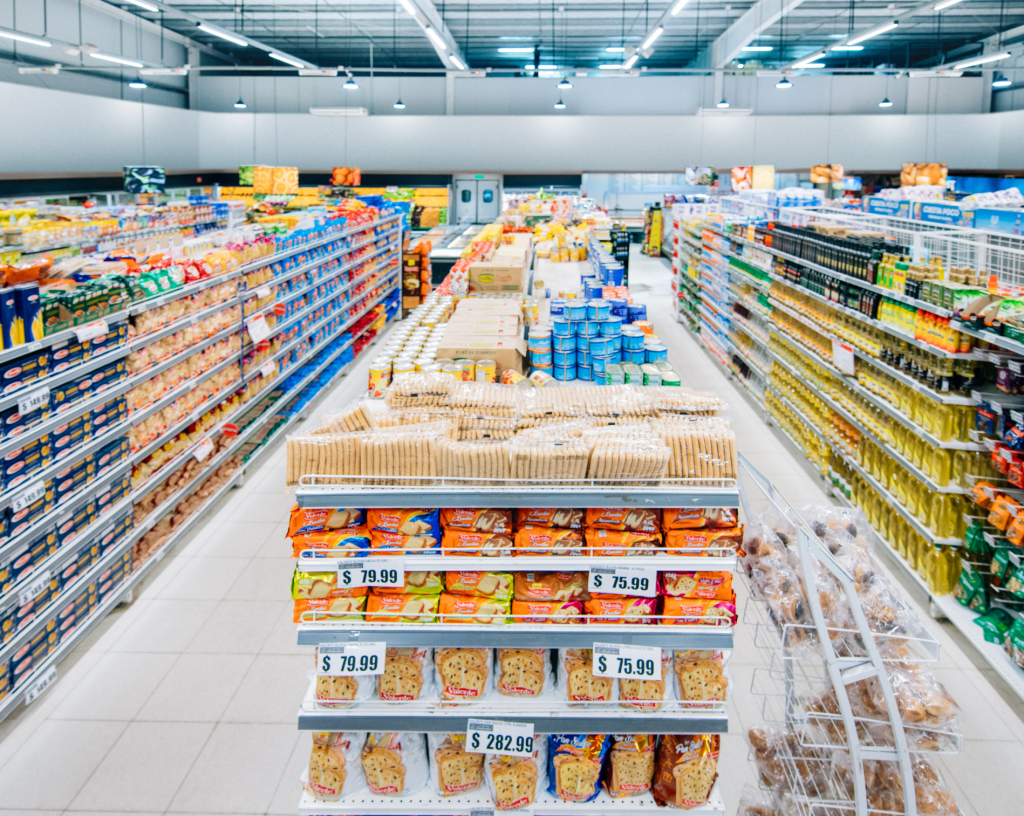
Fixtures positioned at the end of aisles
Think of endcaps as your store’s billboards. They are prime real estate for product placement. Positioned at the end of aisles, these high-traffic spots are perfect for showcasing seasonal favorites, new arrivals, or limited-time offers. But just stacking products is not enough. A cluttered display gets ignored, while a neat and well-lit setup with clear signage makes people stop and buy.

Imagine a holiday endcap with festive packaging and a bold “Limited-Time Only” sign. It instantly grabs attention and sparks impulse purchases. That is smart product placement in action.

4. Seasonal & Promotional Adjustments

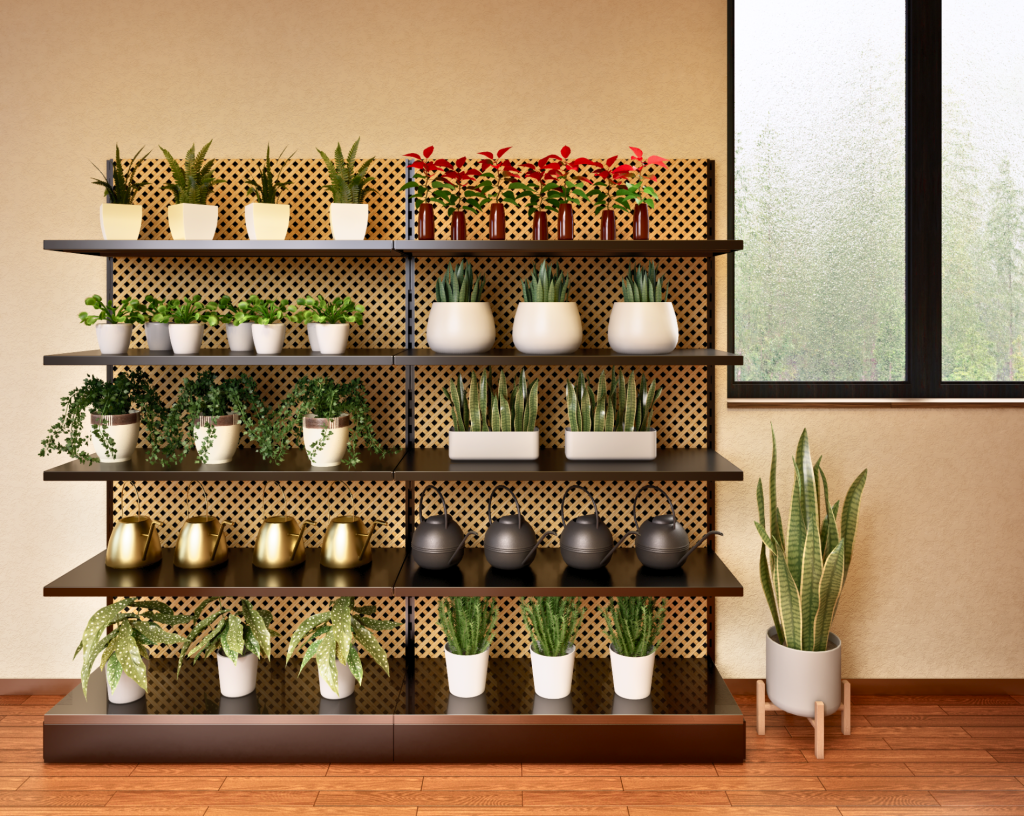
Modular shelving with seasonal plant display

Retail is all about staying relevant, and fixtures make it easy to adapt to trends. During the holidays, festive displays with rotating stands or modular shelving instantly put shoppers in the mood to spend. These fixtures don’t just make your store look good. They ensure your product placement aligns perfectly with what customers are searching for. The result? A shopping experience that feels timely, relevant, and impossible to resist. And when customers are happy, sales follow.
5. Data-Driven Fixture Optimization

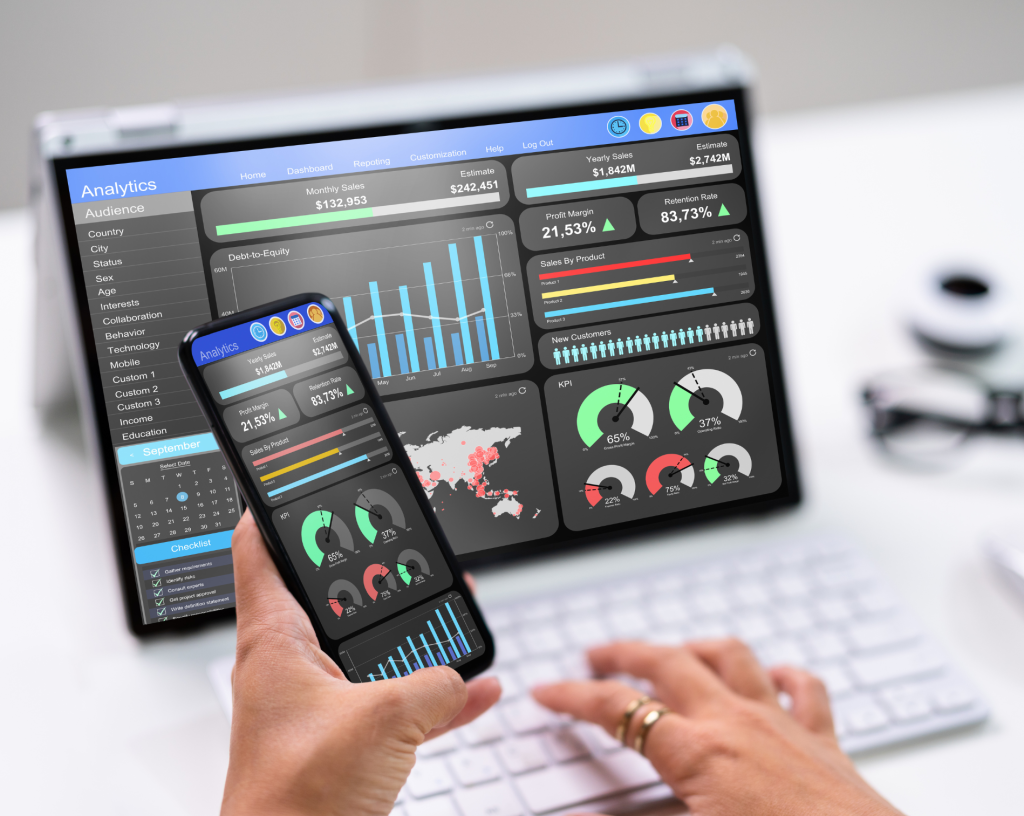
Analyzing retail data for fixture optimization

Here’s the thing: great retailers don’t guess. They use data to make smart decisions. By analyzing heat maps and sales data, you can tweak your fixtures to ensure your product placement drives maximum visibility and sales. For example, if a high-traffic aisle isn’t converting, a simple change like adding a rotating display or moving a tiered rack can work wonders. With the right insights, you can turn browsers into buyers and keep your store performing at its best.

So, next time when you plan a retail strategy, don’t underestimate the power of fixtures. They could be the secret to boosting your sales and making your brand stand out. 

Leave a Reply

Your email address will not be published. Required fields are marked *