Contact Us
Phone: (+60) 3-8961 8888
Whatsapp (+60) 12-9177383
Lot 1852, Jalan KPB 8, Bukit Belimbing, 43300 Balakong, Selangor Darul Ehsan, Malaysia
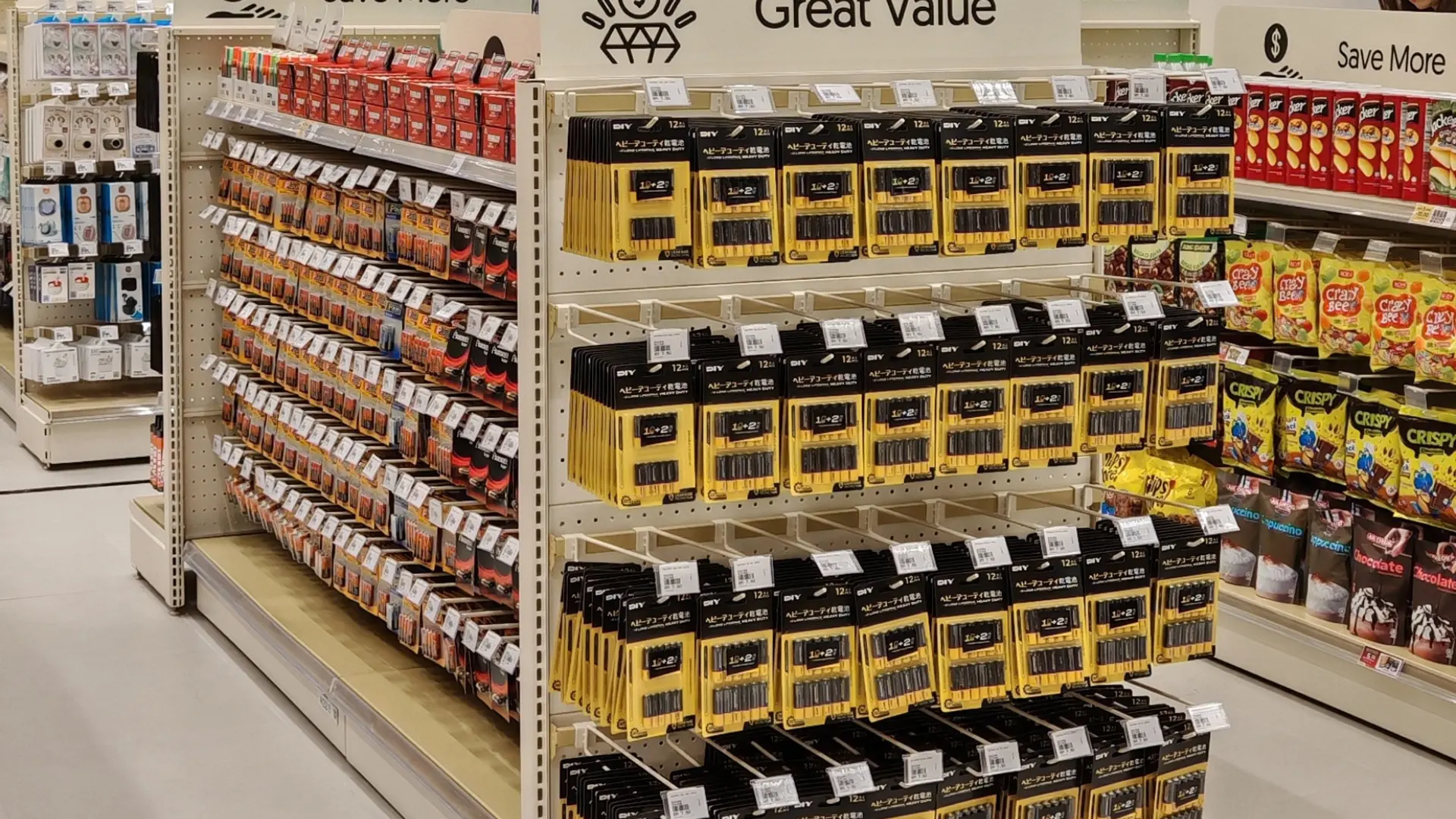
At first glance, a gondola seems pretty straightforward. Products go on the shelves, customers pick what they need, and that is about it, right?
Well, there is more to those shelves than meets the eye. Beyond creating neat retail displays, they also help retailers keep extra stock close, make better use of available space and simplify daily replenishment. So, where is all this hidden storage, and how can retailers make the most of it? Let’s take a closer look.
Most gondola storage sits in plain sight. Once you know where to look, the shelving can do much more than simply display products.
Base shelves: The lowest level is ideal for backup cartons, heavy items and bulk packs, keeping extra stock close and easy for staff to replenish.
Deeper shelves: Stock a second and third row behind the front facing products. When the front row sells, the next one is already in place.
Top shelves: Light, bulky items such as tissue packs or snack multipacks sit well here and free up eye level space.
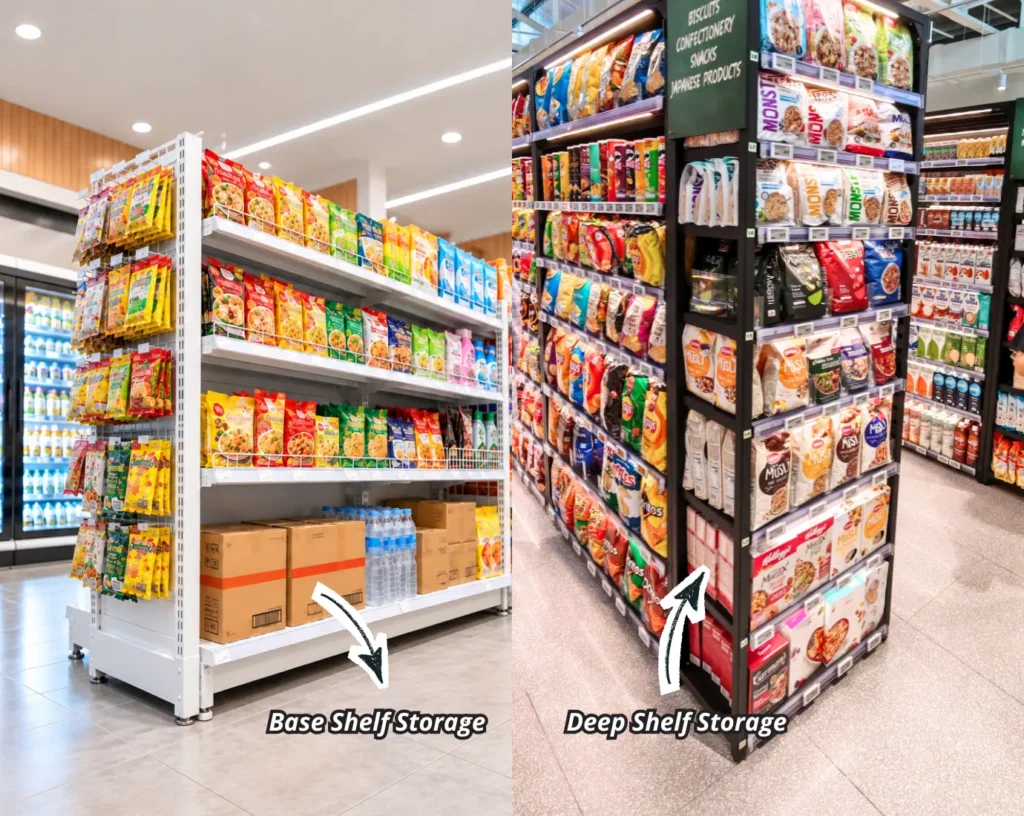

Keeping extra stock close to where it sells can make a noticeable difference to daily store operations.
Faster restocking: Staff can refill shelves straight from nearby backup stock instead of making repeated trips to the stockroom.
Fewer empty spaces: Popular items are easier to top up, helping displays stay fuller during busy periods.
Less aisle clutter: Extra cartons and loose stock are kept off the walkway, making the sales floor cleaner and easier to move through.
Better use of backroom space: When more stock can be managed on the sales floor, retailers can reduce some of the pressure on limited storage areas behind the scenes.
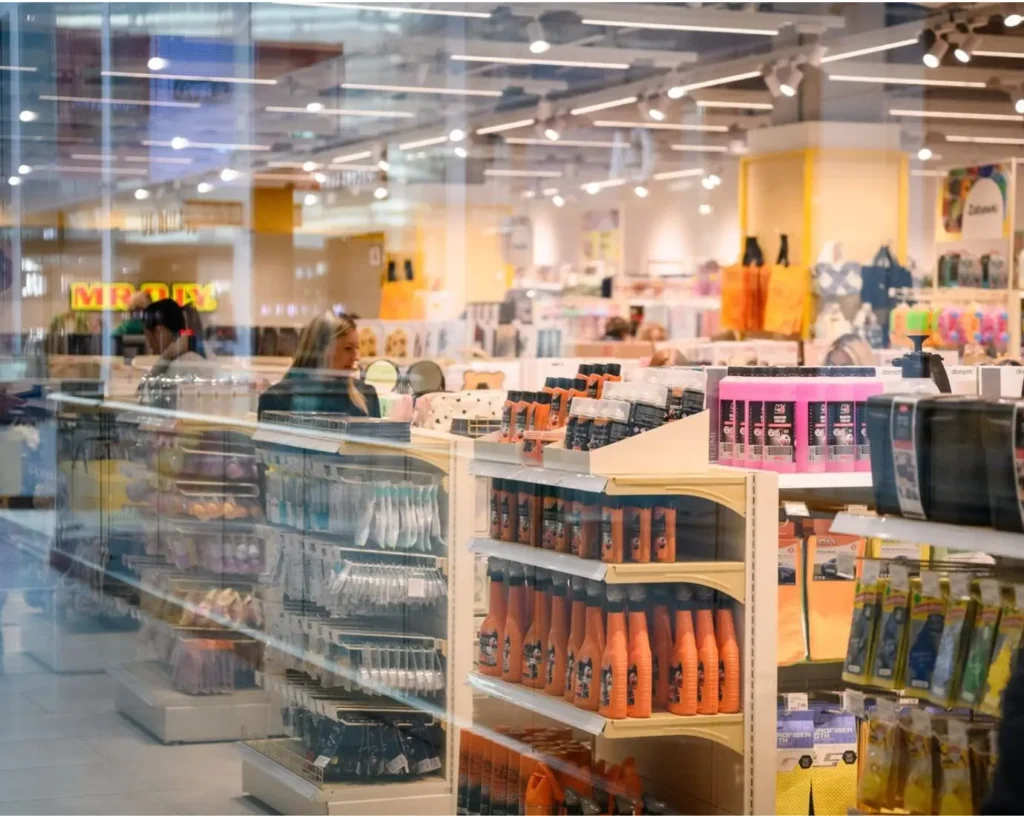
Extra storage should never make the shelves look crowded. Think of retailers like MR.DIY and Jaya Grocer, where a wide variety of products needs to stay organised and easy to browse. A few simple rules here can help keep storage and display working together:
Keep fast moving items easy to reach: Give popular products clear, accessible positions so customers can find them quickly and staff can replenish them easily.
Keep backup stock behind the display: Use deeper shelves for extra units while keeping the front row neat and fully faced.
Place heavier items lower: Keeping heavier products closer to the base improves stability and makes them easier to handle.
Group similar products together: A clear arrangement helps staff find refill stock faster and keeps retail displays easier for customers to browse.
Avoid overloading the shelves: More stock is not always better. Stay within the recommended load capacity to protect shelf stability and safety.
Keep labels visible: Extra stock should never cover price tags or important product information.
It depends on the unit’s material and design. Heavy duty steel base shelves often hold around 100 to 150 kg, but it is always worth checking the supplier’s load specification before placing heavier stock.
Yes, when the units are properly secured and loaded correctly. Keep heavy cartons low, spread the weight evenly, and check that the unit is stable before loading. Tall units in busy aisles are worth inspecting regularly.
Use first-in, first-out rotation: put new stock at the back and move older stock to the front. This matters most for food, pharmacy, and other dated products, and checking dates during restocking keeps it manageable.
Making the most of retail space is not always about adding more shelves. Sometimes, it is about making better use of what is already there.
That is the hidden strength of a well planned gondola. It keeps products on display, stock within reach and everyday store operations running smoothly.

